


An IMGW News Editorial
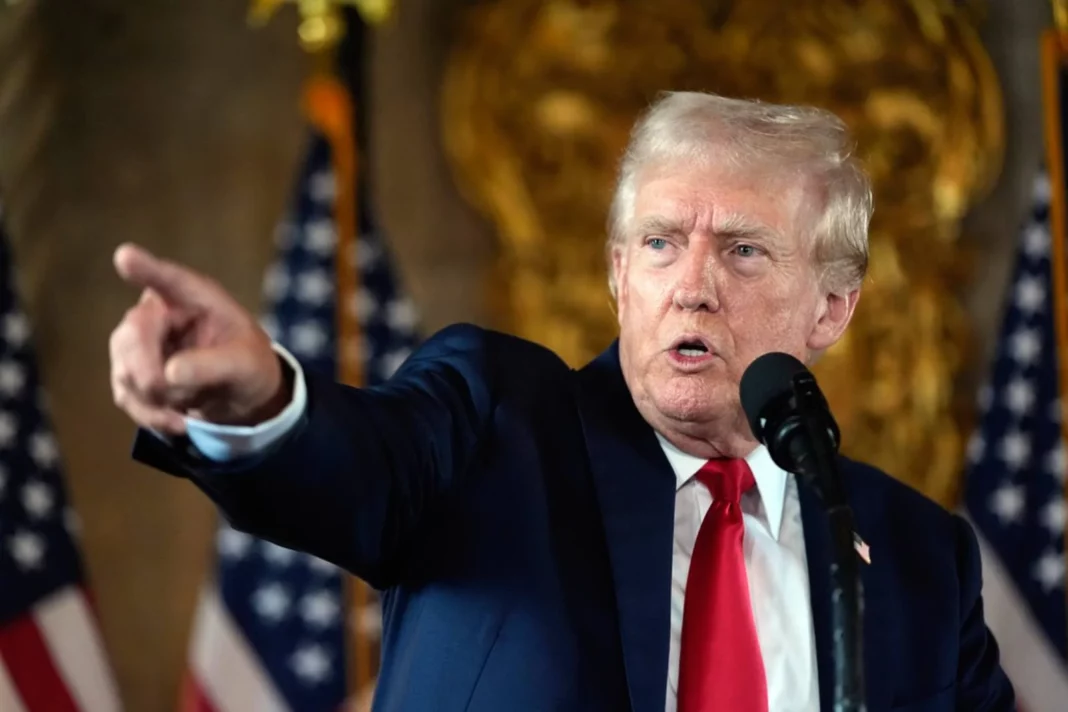
Over the past weekend, former President Donald Trump escalated his inflammatory rhetoric by suggesting the use of the National Guard and military forces to combat what he perceives as a radical leftist threat. This chilling proposal has drawn widespread condemnation and raised alarms about the implications of his potential return to power.
Trump’s remarks, which he refers to as a response to “enemies from within,” signal a dangerous shift towards authoritarianism. By equating political opponents with domestic threats, Trump mirrors tactics used by authoritarian leaders throughout history, effectively normalising the idea of militarised responses to dissent. This rhetoric is particularly troubling given his previous references to key political figures, such as California Representatives Nancy Pelosi and Adam Schiff, as adversaries deserving of such military action.
The US election is very widely followed around the world, particularly in the EU, where the rise of the far right, drawn to Trump’s inspired populism, is raising alarms amongst liberals and more moderate politicians. Trump’s positions on migration are increasingly resonating with a number of EU state opposition parties and a few dissenting governments, reflecting a broader trend of populism that threatens the political landscape across the Atlantic.
In the backdrop of a tightly contested election, Trump’s comments have become a focal point for Democratic campaigns, with Vice President Kamala Harris asserting that his behaviour “demeans the office” of the presidency. Democrats are using his provocative language to highlight concerns about his mental fitness and stability, raising questions about his ability to lead the nation responsibly.
Moreover, Trump’s penchant for vulgar and erratic statements, such as his recent lewd anecdotes, serves to reinforce the notion that he remains detached from the serious responsibilities of governance. His antics may resonate with a certain segment of the electorate but alienate moderates and women, crucial demographics in swing states.
While Trump continues to enjoy support from his base, his increasing radicalisation could alienate undecided voters, prompting them to reconsider their allegiance. As the election approaches, both campaigns are working tirelessly to sway the last-minute votes that could determine the outcome.
Ultimately, Trump’s inflammatory rhetoric raises significant concerns about the state of American democracy. The prospect of a second Trump presidency, marked by a willingness to deploy military force against perceived political enemies, poses grave risks to the nation’s democratic institutions and the principles of civil discourse. As voters head to the polls, they must weigh the implications of his words carefully and consider the potential for unprecedented turbulence in American politics should he regain power.

