


An IMGlobalWealth.news Report
Brussels is stepping up its response to the migration crisis in Ceuta, approving €114.7 million in emergency assistance as the Spanish enclave presses the European Union for greater protection of its border with Morocco.
The move follows the extraordinary events in Ceuta that thrust the Spanish territory on the North African coast back to the centre of Europe’s migration debate.
IMGlobalWealth.com was among the publications reporting on the developing crisis as events unfolded. More than a month later, its repercussions are increasingly being felt in Brussels.
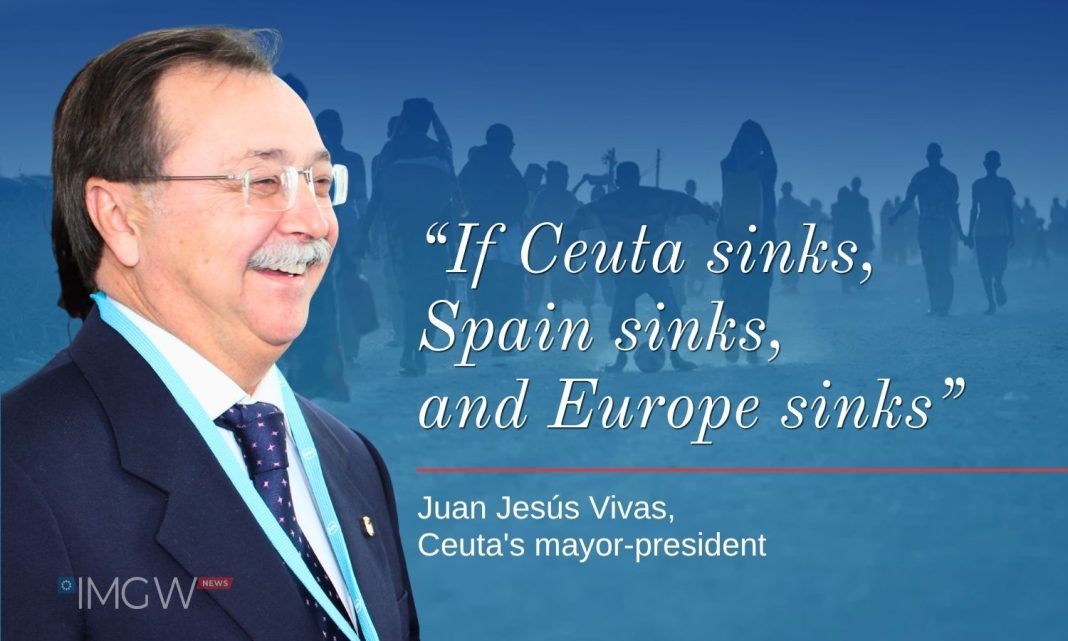
Juan Jesús Vivas, Ceuta’s mayor-president, travelled to the European capital this week seeking a stronger European role. Speaking publicly at the European Parliament, he argued that the migration pressure facing the enclave could not be regarded merely as a Spanish problem.
His warning went beyond Spain’s borders.

“If Ceuta sinks, Spain sinks, and Europe sinks,” Vivas said, calling for the enclave’s predicament to become a European cause.
Brussels has since responded with money as well as political support. On September 9th, the European Commission approved €114.7 million in emergency funding requested by Spain. Of this, €82.7 million will come from the Asylum, Migration and Integration Fund and €32 million from the Border Management and Visa Instrument.
The funds can be used to reinforce border surveillance, personnel, screening and reception capacity, as well as measures concerning migrants who have no legal right to remain. Frontex, Europol and the EU Agency for Asylum are also involved in the broader European response.
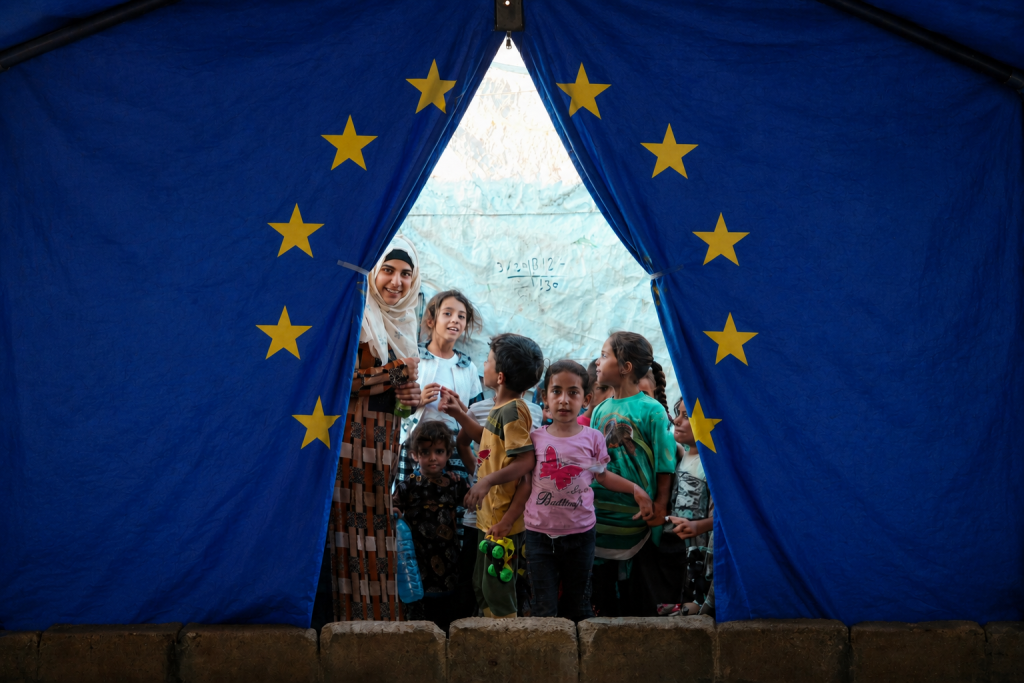
The Commission has framed the pressure on Ceuta as an issue extending beyond Spain’s national borders, reinforcing Madrid’s argument that the enclave forms part of the EU’s external frontier.
Morocco, however, has rejected accusations that it deliberately facilitated irregular crossings. Rabat has challenged claims of official involvement and reiterated its willingness to cooperate with Spain on migration.
The argument over responsibility therefore remains politically charged. What has become clearer is Europe’s stake in the outcome.
A migration crisis centred on a small Spanish enclave in North Africa is increasingly becoming a test of how far the European Union is prepared to protect, finance and politically support one of its most exposed external borders.

