


An IMGW News Report
Lebanon, a nation already burdened by decades of conflict and home to the largest population of displaced individuals per capita, is once again facing devastation. The southern region has been the target of a fresh wave of Israeli airstrikes, causing tens of thousands to flee their homes in recent days. The UN reports that some 90,000 Lebanese citizens have been displaced since Monday, as tensions between Israel and Hezbollah escalate towards what many fear could be all-out war.
Lebanon has long struggled under the weight of displacement, hosting an estimated 1.5 million Syrian refugees alongside hundreds of thousands of Palestinian refugees. In 2023, the country ranked among the highest globally for the number of displaced persons relative to its population. As of the latest UN data, Lebanon is home to over 2 million refugees and displaced individuals. This crisis is compounded by Lebanon’s internal economic collapse, political instability, and the lingering effects of the devastating Beirut port explosion in 2020.
The current violence erupted after Hezbollah launched dozens of rockets into Israel, triggering air raid sirens across central Israel, including Tel Aviv. While Israel’s defence system intercepted the rockets, its military retaliated with extensive airstrikes on Hezbollah positions in southern Lebanon. The strikes have targeted not only weapons storage facilities but also civilian areas, leading to a rising death toll and widespread destruction.

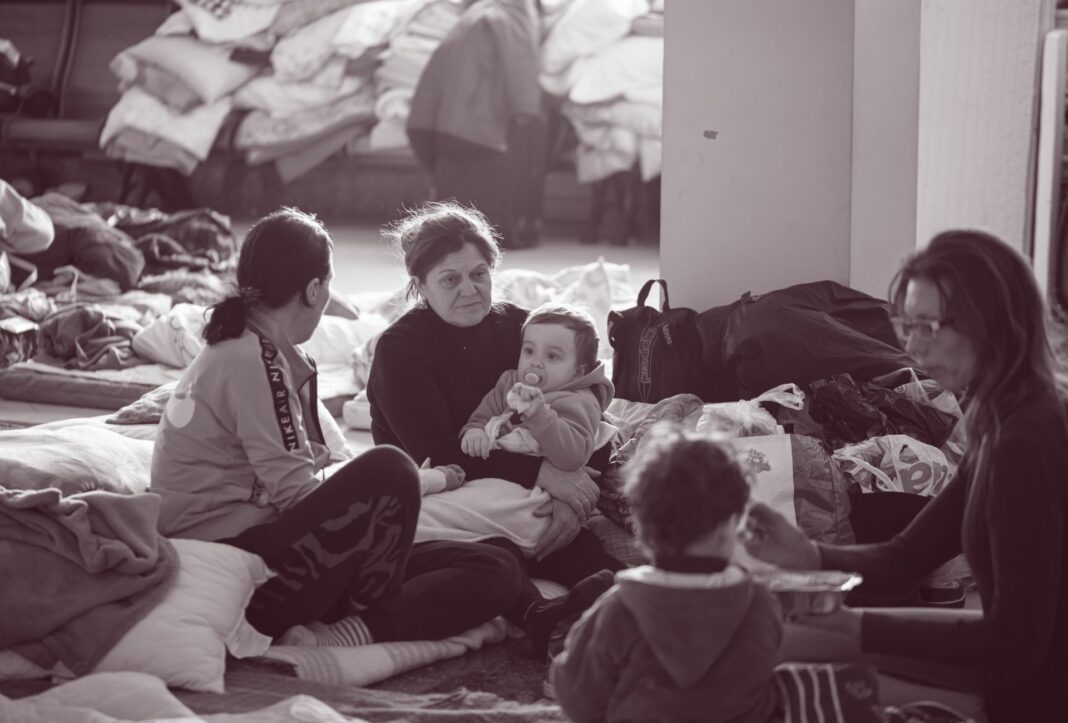
According to Lebanon’s health ministry, at least 564 people have been killed in the latest round of violence, including 50 children and 94 women, with more than 1,800 wounded. Many of the dead are civilians, as Israeli airstrikes continue to pound villages in the southern regions. Residents fleeing the violence have sought refuge in cities such as Beirut and Sidon, where schools and public spaces have been converted into makeshift shelters. Others have attempted to flee the country altogether, leading to massive traffic jams at the border with Syria.
The United Nations Office for the Coordination of Humanitarian Affairs (OCHA) reported on Wednesday that the number of internally displaced people in Lebanon now exceeds 200,000, including the 111,696 already displaced by previous conflicts. For a country of just over five million people, the strain is immense. In addition to those displaced within Lebanon, tens of thousands of residents from the south have crossed into Syria, itself a country still embroiled in civil war.
U.S. President Joe Biden, addressing the UN General Assembly on September 24, 2024, warned against escalating violence in Lebanon following Israeli airstrikes that killed hundreds. Urging diplomacy between Israel and Hezbollah, Biden stressed, “full-scale war is not in anyone’s interest.”
The situation in Lebanon continues to deteriorate as both sides prepare for a prolonged conflict. Israel has vowed to continue its strikes, while Hezbollah has shown no sign of backing down. As the violence intensifies, there are growing fears that Lebanon, already a fragile state, may plunge further into chaos.
The UN Security Council held an emergency meeting on Wednesday, called by France, to address the escalating conflict. However, as the international community struggles to mediate, the people of Lebanon are left to bear the brunt of the violence.
For Lebanon, a country that has suffered through decades of war and displacement, the current situation is nothing short of catastrophic.

