


An IMGW News Report
A growing share of affluent Americans are increasingly treating second residencies and passports as portfolio tools: insurance against political, fiscal, and mobility risks.
Since the pandemic, interest has moved beyond Europe toward Latin America and parts of Asia, where entry routes are cheaper, faster, and lighter on presence requirements.

Henley & Partners’ USA Wealth Reports note that multiple citizenships are “moving mainstream” among Americans seeking to enhance resilience and mobility. Policy changes in Europe explain the pivot.
Portugal has closed its Non-Habitual Resident regime to new applicants, the UK is abolishing its non-dom regime in April 2025, and Spain is terminating its property-based golden-visa route. These measures raise costs and reduce tax advantages that once lured Americans.
The wider context is a surge in cross-border wealth mobility that is no longer confined to the margins. Henley & Partners calculates that some 134,000 millionaires relocated in 2024, with 142,000 expected to do so in 2025, the highest number on record. Knight Frank’s Wealth Report 2025 likewise notes that ultra-high-net-worth individuals are increasingly prioritising secondary citizenships and residencies as part of their long-term planning.
“some 134,000 millionaires relocated in 2024, with 142,000 expected to do so in 2025, the highest number on record”
Other firms echo the trend. Arton Capital has reported a four-fold rise in American clients year-on-year, while CS Global Partners points to a doubling of formal US expatriations in early 2025 compared with the previous quarter. Fragomen’s global immigration outlook highlights Latin America and parts of Asia as zones of heightened interest among North American professionals and investors, and Harvey Law Group finds that most wealthy American clients now consider relocation rather than simple contingency planning.
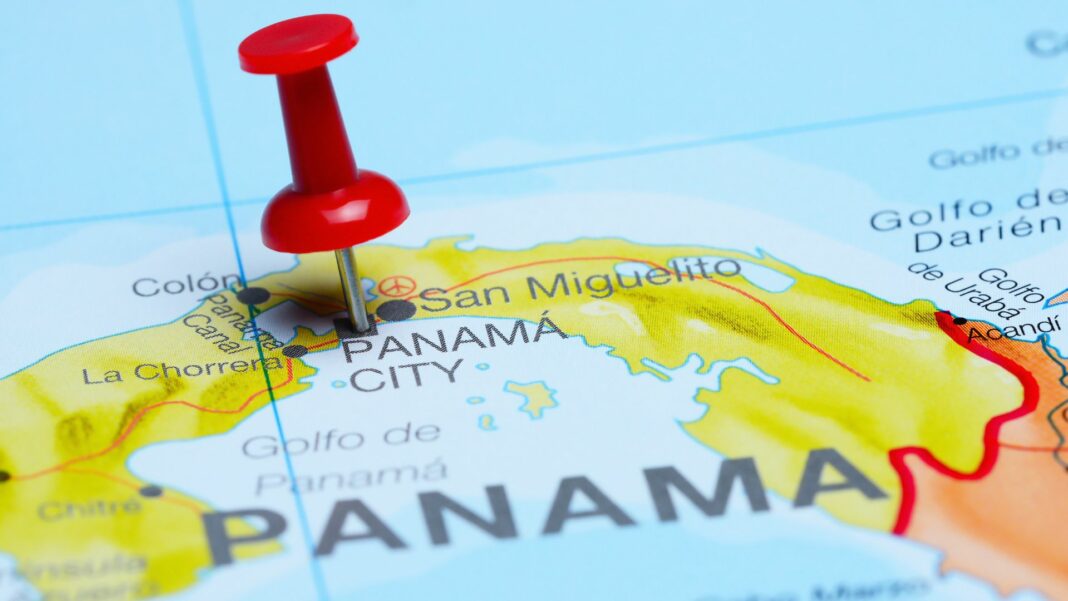
Latitude Group has also recorded a marked jump in applications from US nationals, while InterNations’ Expat Insider 2025 places Panama at the top of its global ranking, underscoring the region’s appeal. Altrata’s research on ultra-rich residence patterns confirms that diversification of domiciles and second homes has become a mainstream strategy.
Snapshot of emerging destinations:
| Region | Popular options | Key appeal |
|---|---|---|
| Latin America | Costa Rica, Panama, Uruguay, Argentina | Proximity to US, flexible residency routes, competitive costs |
| Asia | Thailand, Malaysia, Singapore | Healthcare quality, safety, regional business hubs |
| Europe (context) | Portugal, Spain, UK | Once popular, now constrained by policy changes |
Destination patterns are shifting. Latin America, including Costa Rica, Panama, Uruguay and Argentina, attracts Americans with proximity, flexible income- and investment-based routes, and competitive living costs.

Asia, especially Thailand, Malaysia and Singapore, draws interest for healthcare quality, personal safety and business access. Although Europe remains relevant, its appeal is narrowing as policy barriers mount.The movement is unlikely to reverse.
The EU’s top court has already struck down Malta’s citizenship-by-investment programme, and other programmes face scrutiny. For wealthy Americans, diversification of domicile risk now ranks alongside portfolio diversification. The new “Plan B” is not about luxury, but about optionality across jurisdictions.

