


An IMGlobalWealth.news Report
Europe is engaged in an increasingly aggressive competition for people with money. Italy uses preferential tax treatment to entice wealthy new residents. Greece is courting hedge-fund managers and international investors. Portugal, Switzerland and others are positioning themselves for globally mobile capital and talent.
Yet in Germany’s east, an altogether different message is taking shape.
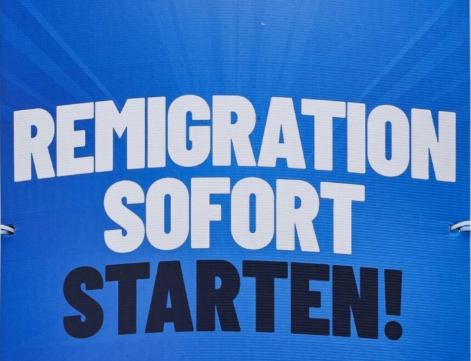
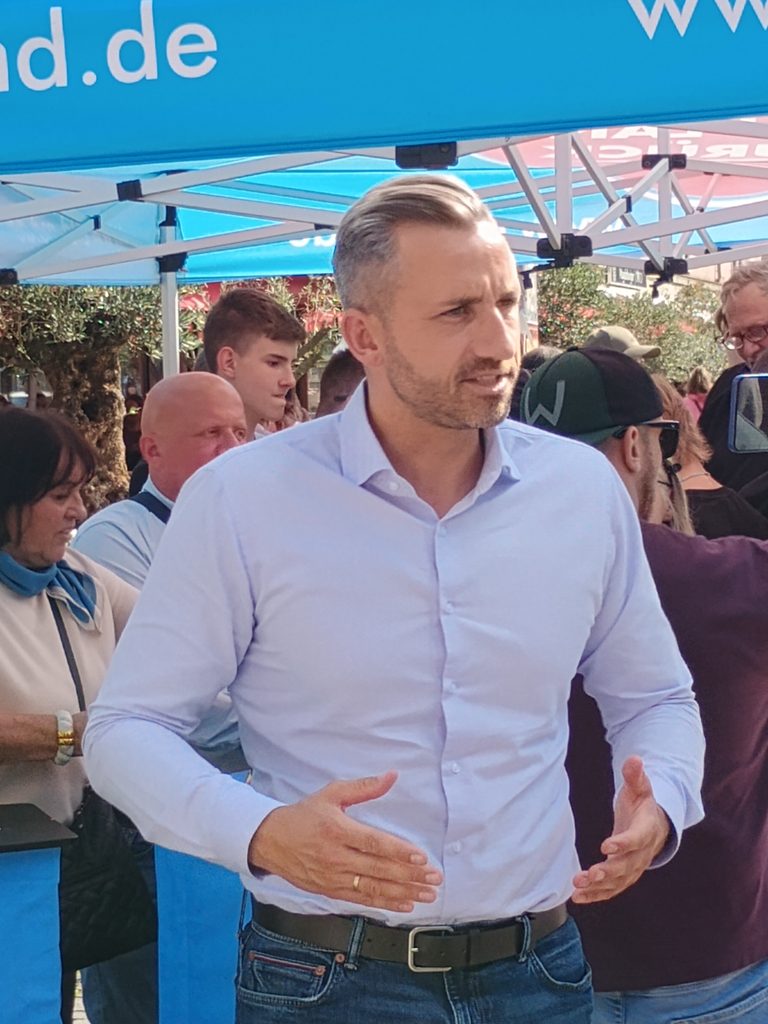
Ulrich Siegmund, leader of the Alternative für Deutschland in Saxony-Anhalt, has linked weapons production to what his party calls future “remigration and deportation offensives”. Asked about plans for an Israeli defence company to manufacture equipment in the region, Siegmund said such production should not automatically be rejected because the authorities would require appropriate resources for deportations.
“It could be an early warning of a much deeper European fault line”
The Telegraph characterised the implication starkly: deporting migrants “at gunpoint”.
Siegmund’s office subsequently sought to narrow the interpretation. It said he was referring to vehicles, protective equipment and weapons used by police, security services and the armed forces, rather than military weapons being turned directly on migrants.
But the controversy matters because of what has happened at the ballot box.
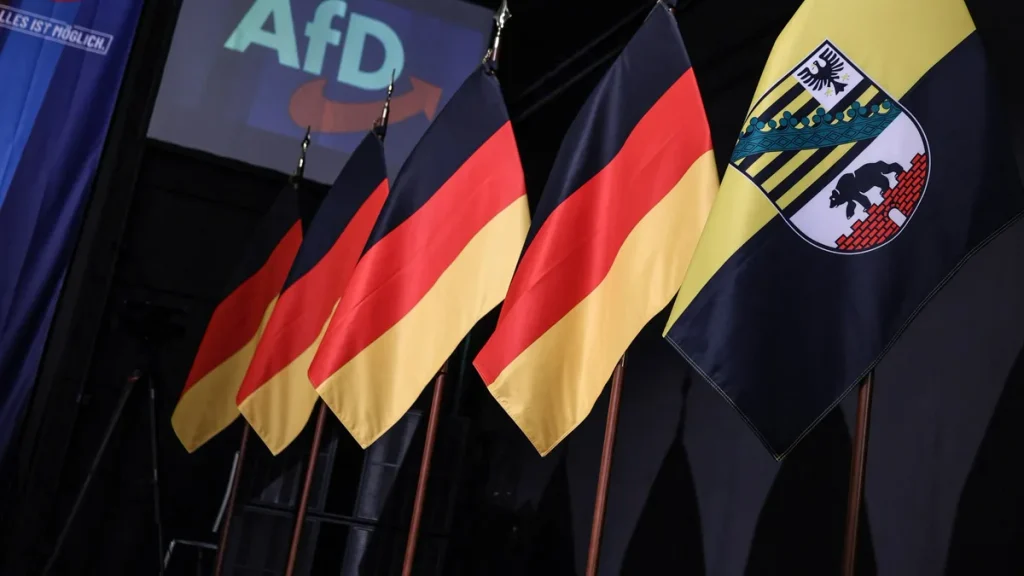
The AfD won 43.8% in Saxony-Anhalt’s September election and secured 39 of the state parliament’s 83 seats. It remains short of a governing majority, but its strongest state result yet has moved policies once considered politically peripheral much closer to power.
The party proposes accelerated deportations and a broader policy of “remigration”. Chancellor Friedrich Merz has attacked the concept as both morally unacceptable and economically destructive, noting Germany’s dependence on workers of foreign origin in sectors ranging from trades to healthcare and hospitality.
There lies Europe’s emerging contradiction.
At one end of the continent, governments are redesigning tax systems and residency regimes to attract internationally mobile wealth. At the other, Europe’s largest economy is confronting a political movement whose language towards migration is becoming markedly harder.

For investors and internationally mobile families, tax rates are only part of the equation. Political stability, social climate and openness matter too.
Germany’s eastern shift may therefore be more than an electoral tremor. It could be an early warning of a much deeper European fault line.

