



At least 109 migrants, including 15 children, have died and more than 116 remain missing after a vessel carrying 305 people capsized off Djibouti while travelling towards Yemen, according to the International Organization for Migration (IOM).
The vessel overturned near Guhere, north of the port town of Obock, during the night of 8–9 October. The disaster is believed to be the deadliest migrant shipwreck recorded off Djibouti.
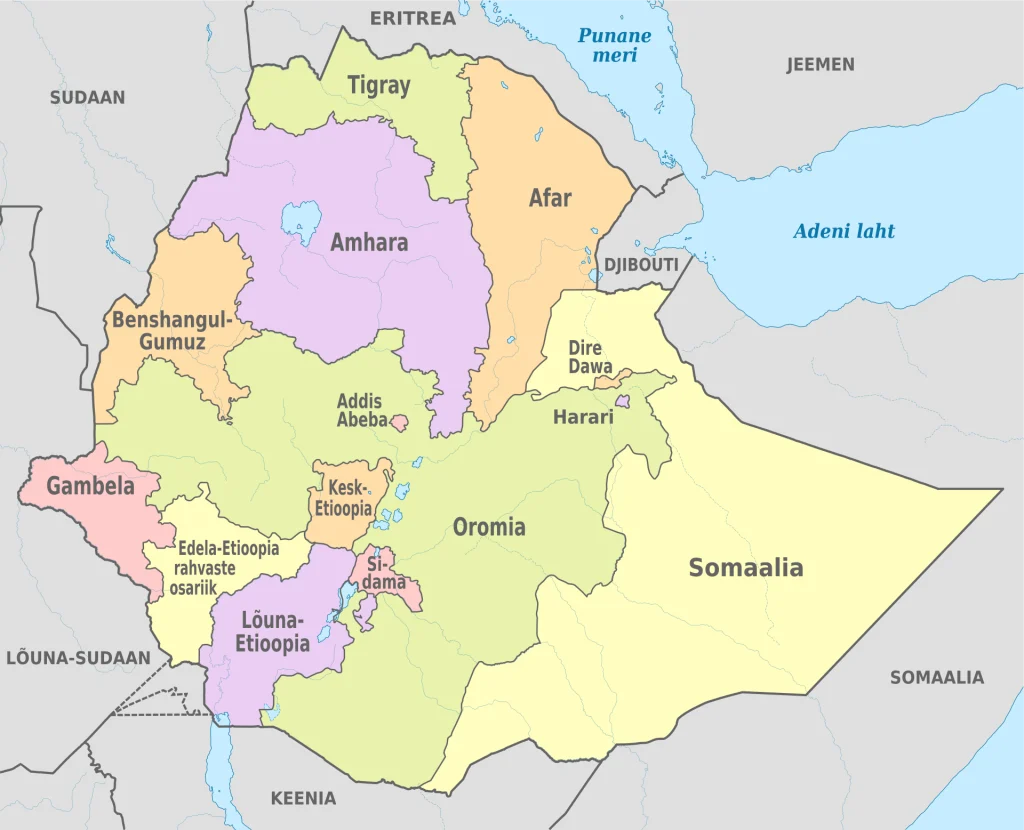
Among the bodies recovered were 52 men, 42 women, nine girls and six boys. More than 80 people survived, all Ethiopian nationals. The IOM is assisting 64 survivors at its Obock Migrant Response Centre, while Djiboutian authorities continue searching for the missing.
Economic Pressures Behind a Growing Migration Corridor
The tragedy occurred along the Eastern Route, connecting Ethiopia and Somalia with Yemen and the Gulf states, particularly Saudi Arabia.
Despite Yemen’s continuing conflict, migrants undertake the crossing in pursuit of employment and higher earnings, frequently relying on smuggling networks.
According to IOM migration statistics, tracked outward movements along the Eastern Route increased 18% in 2025, reaching approximately 506,600, compared with 430,200 in 2024.
The humanitarian consequences have been considerable. The IOM recorded 922 migrant deaths and disappearances in 2025, almost double the 558 registered in 2024, making it the route’s deadliest recorded year.
Economic hardship, unemployment, insecurity and environmental pressures continue driving migration from the Horn of Africa. Meanwhile, restrictive border controls and smuggling operations increasingly redirect migrants through remote, hazardous corridors.
The economic uncertainty extends beyond the crossing itself. IOM figures show that 95,100 Ethiopians were forcibly returned from Saudi Arabia in 2025, illustrating the difficulties migrants face even after reaching their intended destination.
Conflict Creates Migration in Both Directions
The latest tragedy also comes amid renewed displacement from Yemen.
At a United Nations briefing on 6 October, the IOM reported more than 20,000 migrant movements from Ethiopia into Djibouti since 10 September.
During approximately the same period, more than 3,700 refugees arrived in Djibouti fleeing violence in Yemen, underscoring the opposing migration flows generated by economic pressures and regional instability.
The IOM has called for additional international funding, stronger rescue capabilities and safer migration pathways.

